How to photograph a skin lesion more clearly
Classification quality depends heavily on the photo. A better image does not guarantee a diagnosis, but it can make the result easier to interpret.
Summary
Classification quality depends heavily on the photo. A better image does not guarantee a diagnosis, but it can make the result easier to interpret.
Points to notice
- If the lesion appears too small, border and color details become harder to read. Try to keep the concerning area large enough to fill the center portion of the image.
- Direct glare and one-sided light can change how the border and color look. Soft natural light or balanced indoor light usually gives a more useful reference image.
- Beauty filters, sharpening, and tone adjustments can all distort what the lesion really looks like. A plain, unedited image is usually the best option for classification.
Keep the lesion large and centered in frame
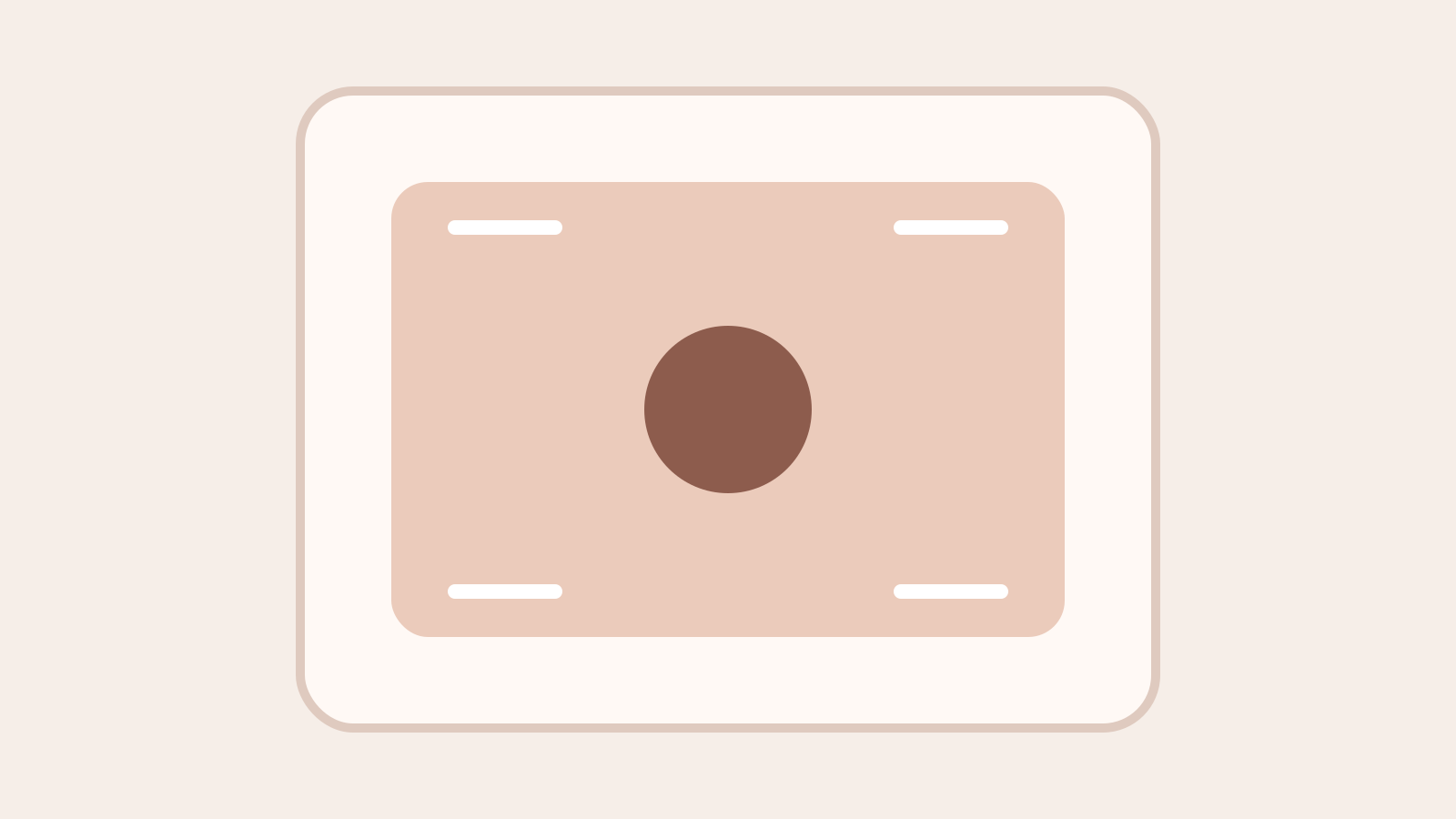
If the lesion appears too small, border and color details become harder to read. Try to keep the concerning area large enough to fill the center portion of the image.
Use even lighting with less shadow
Direct glare and one-sided light can change how the border and color look. Soft natural light or balanced indoor light usually gives a more useful reference image.
Avoid filters and automatic skin smoothing
Beauty filters, sharpening, and tone adjustments can all distort what the lesion really looks like. A plain, unedited image is usually the best option for classification.